Mercedes-Benz Finally Settles Diesel Scandal with $120 Million Payout
Key Points
- Mercedes-Benz will pay $120 million to settle multistate claims over diesel emissions software.
- The agreement ends Mercedes’ long-running Dieselgate-era legal troubles in the United States.
- The company plans to continue developing gasoline and hybrid engines while expanding its EV lineup.
Mercedes Reaches $120 Million Multistate Settlement
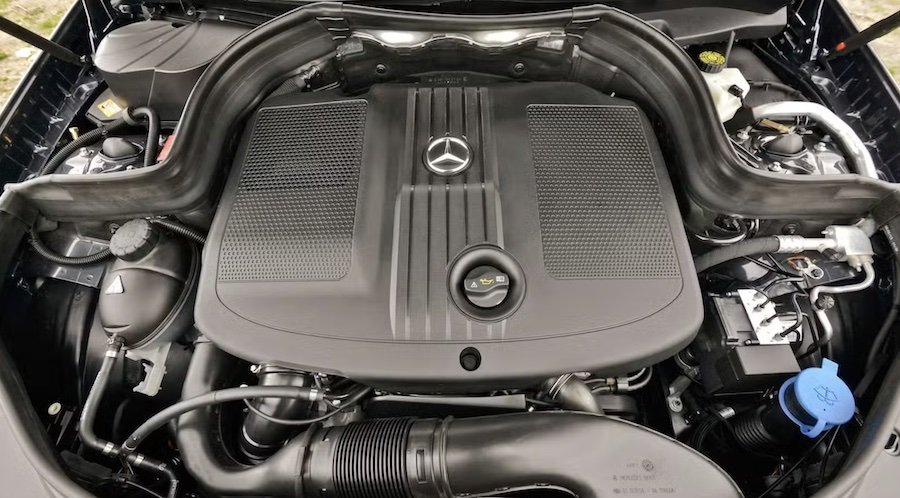
Mercedes-Benz has reached a $120 million multi-state settlement to resolve lingering civil claims tied to emissions software used in its diesel vehicles, marking a key step toward closing the final chapter of its U.S. “Dieselgate”-era troubles.
The settlement addresses environmental and consumer protection complaints involving Model Year 2009–2016 BlueTEC diesel cars and vans, vehicles once hailed by the automaker as “the world’s cleanest and most advanced diesel.” The claim later drew scrutiny from regulators, sparking a years-long legal and reputational battle across several states and territories.
The agreement, announced this week, still requires final court approval but already includes the participation of numerous state attorneys general, as well as Washington, D.C., and Puerto Rico.
Beyond the financial payout, Mercedes has agreed to continue upgrading affected vehicles with approved emissions software, a process expected to cost “tens of millions of dollars” more, according to a company spokesperson. According to the automaker’s official press release, it emphasized that these additional measures will not dent its earnings, noting that it had already set aside sufficient funds to cover the total costs.
Cleaning Up the Last of Dieselgate
The latest settlement follows a series of agreements Mercedes has struck over recent years to put its diesel-related liabilities behind it. In 2020, the company settled with federal regulators and California authorities and reached a nationwide class-action settlement with private owners.
A subsequent 2022 settlement with the Arizona Attorney General further reduced its outstanding legal exposure. By 2024, the U.S. Department of Justice closed its criminal probe without filing charges, leaving primarily state-level civil claims, now covered by this multi-state agreement, as the final pieces of its U.S. diesel litigation puzzle.
Mercedes reports that it has already upgraded more than 85 percent of affected BlueTEC vehicles since the launch of Approved Emission Modifications in 2021. The new settlement includes incentives to encourage the remaining vehicle owners to complete the retrofit, a move designed to enhance both environmental outcomes and compliance rates.
While Mercedes continues to deny any wrongdoing, it described the deal as a “pragmatic solution” that allows the company to move forward without the distraction and cost of continued legal battles. For regulators, it also represents a victory in securing additional emissions reductions and consumer assurances after years of negotiations.
What This Might Mean for Mercedes’ Engine Strategy
The timing of the settlement aligns with Mercedes-Benz’s evolving stance on its powertrain strategy amid a rapidly shifting automotive landscape. Even as the brand positions itself as a leader in electrification, pledging to go all-electric where market conditions allow, it has been equally clear that combustion engines remain part of its long-term play. The brand has reaffirmed that internal combustion engines, including gasoline units, will remain in production due to uneven global EV adoption rates and continued consumer demand for traditional powertrains.
That message extends up the performance ladder. Mercedes-AMG has confirmed it is developing a next-generation V8 engine and intends to retain combustion technology in its performance lineup for the foreseeable future. Meanwhile, executives have acknowledged that the legendary V12 engine will remain available in select models well into the 2030s.
Verwandte Nachrichten
